Civil engineering · UT Austin · Consulting & risk management

Born in Humble.Raised in Borneo.Schooled in Qatar.Building in Austin.

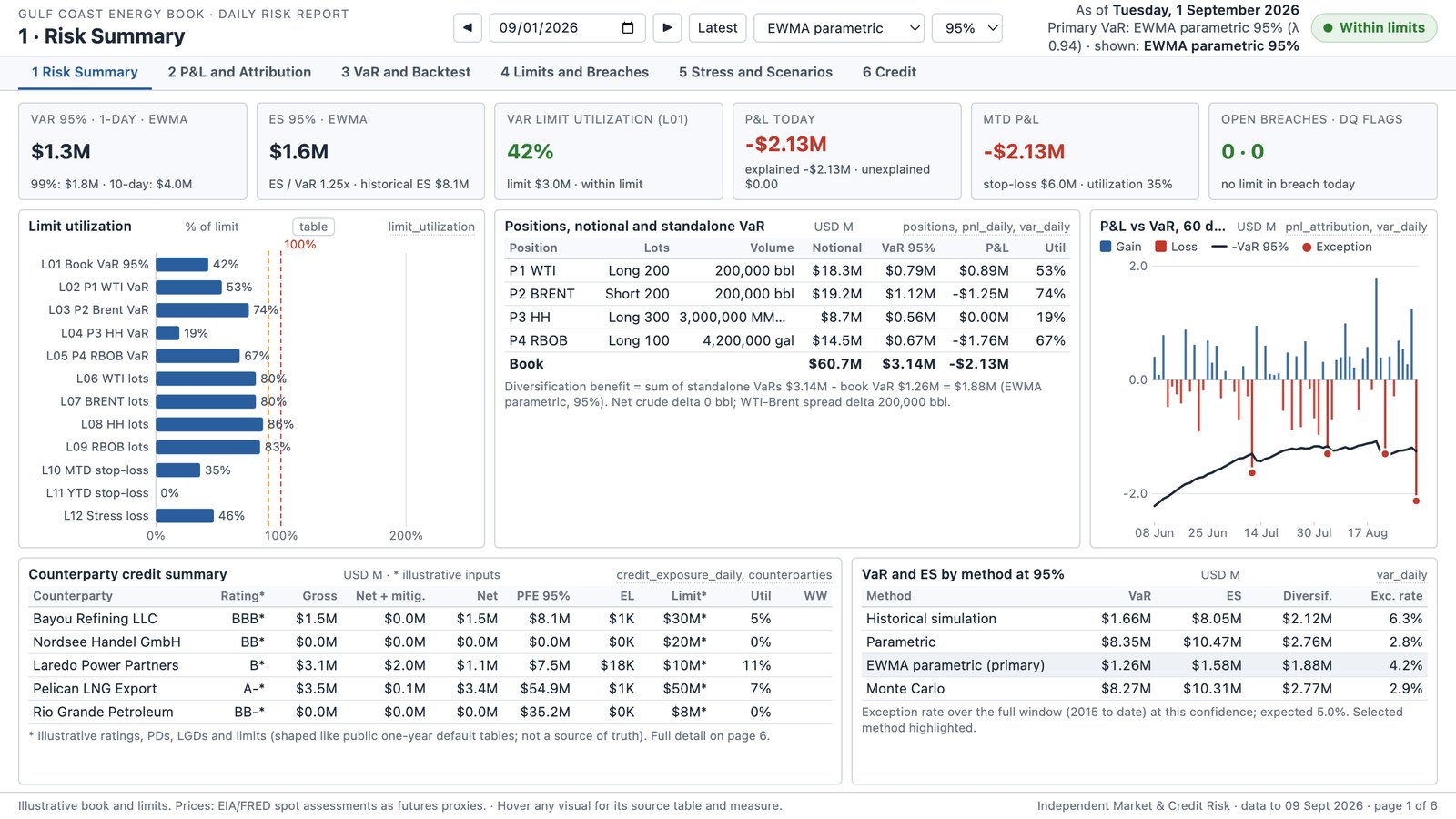
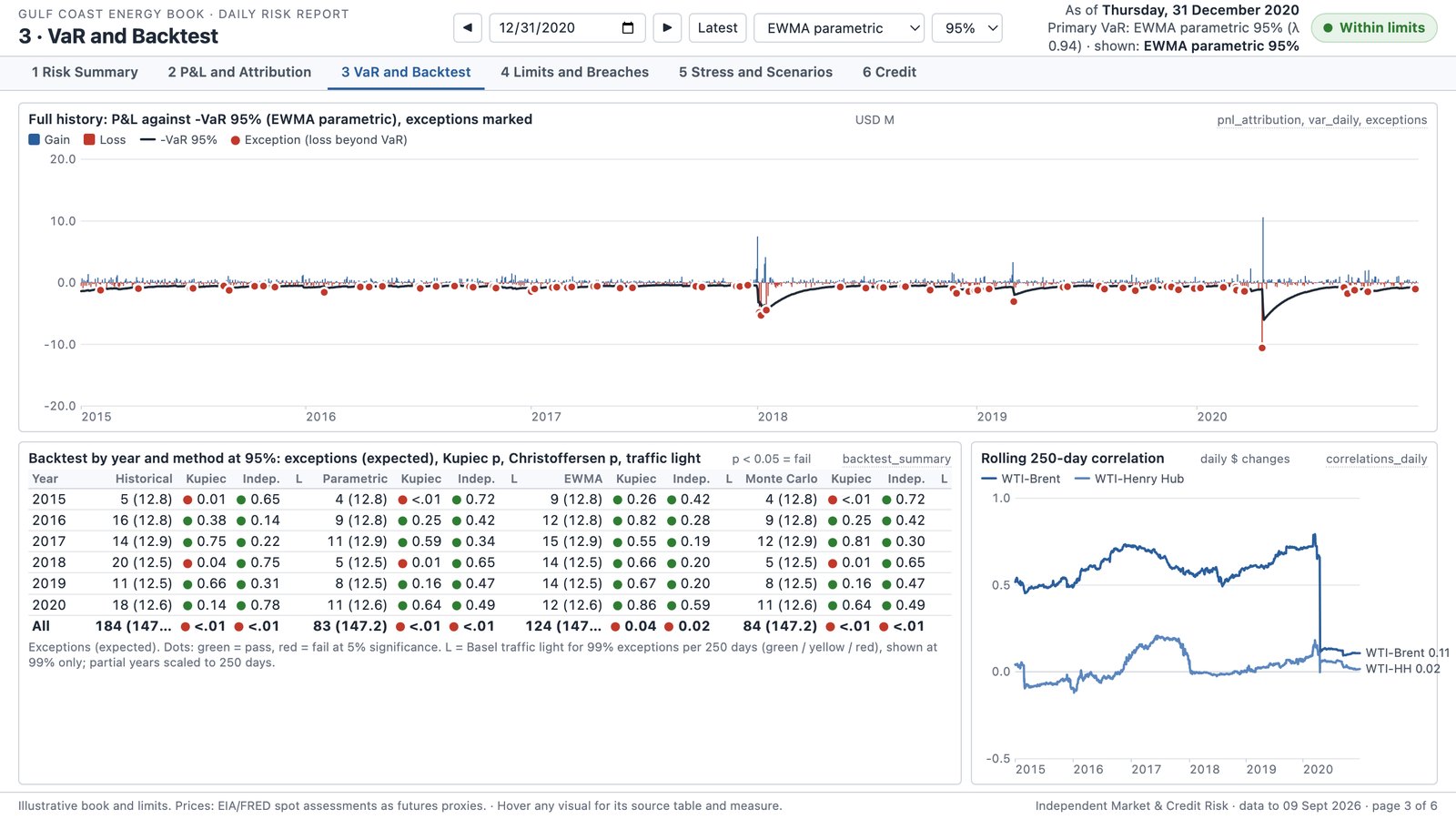
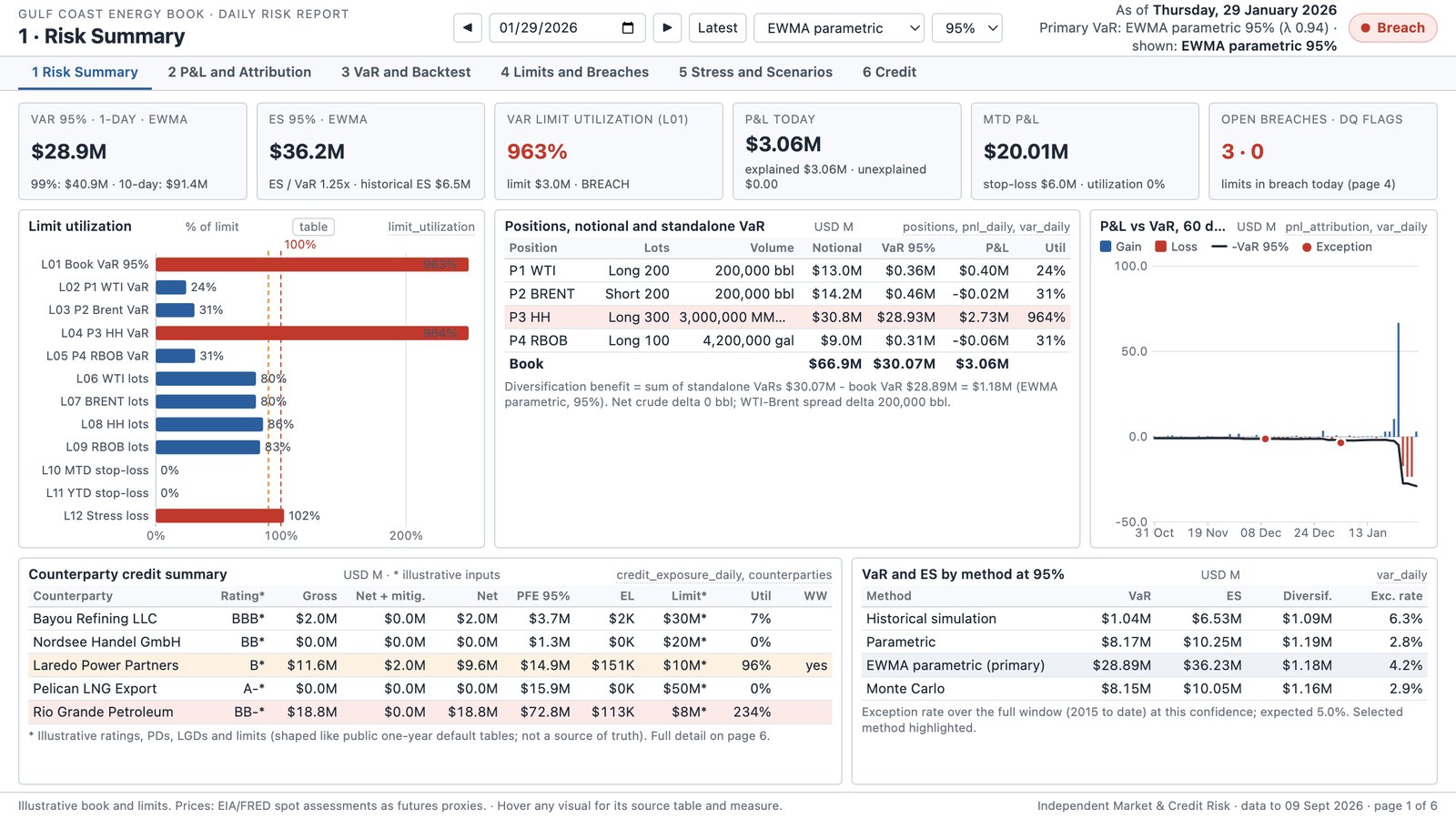
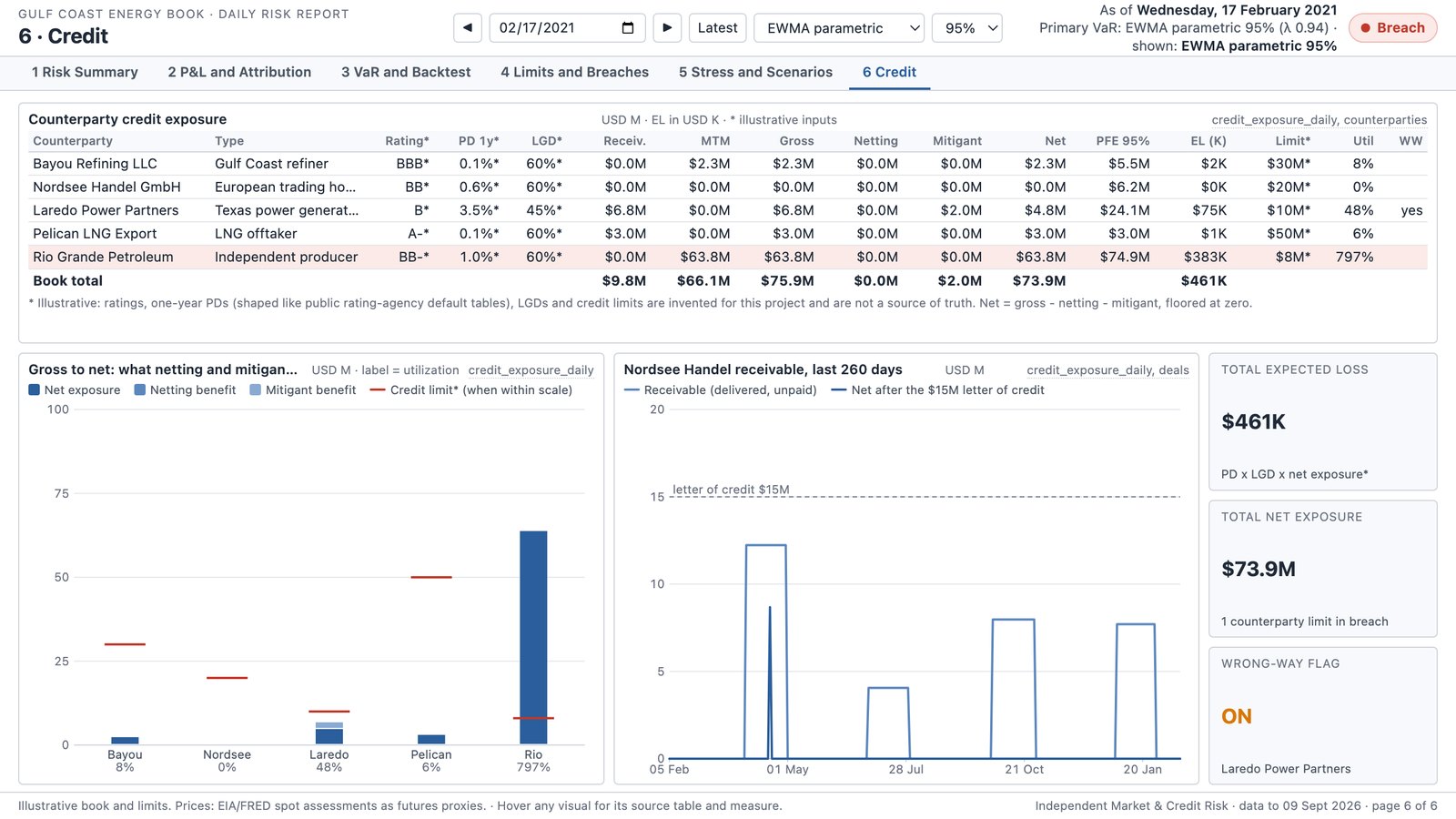
I’m Pedro Guzman, a civil engineering student at UT Austin looking for consulting work in energy, infrastructure and risk. I grew up inside that industry, in the expatriate compounds where it operates, and for the last two years I’ve been doing the work rather than waiting for it: building teams, running risk models and grid simulations, planning sites, and bringing in the clients who pay for them.

I’m Pedro Guzman, a civil engineering student at UT Austin looking for consulting work in energy, infrastructure and risk. For the last two years I’ve been doing the work rather than waiting for it: building teams, running risk models and grid simulations, planning sites, and bringing in the clients who pay for them.

ScrollAustin, TX · Civil Engineering, UT Austin
Nº 01The journey

Four places. One industry.

Most people meet this industry through a job posting. I met it through neighbors, classmates, and dinner guests, in four countries where it was the reason anyone was there at all.

01

Humble, Texas

The start

The town an oil company took its name from

I was born in Humble, Texas, the town Humble Oil took its name from before it grew into Exxon. I was gone before I could remember it, but the pattern was set: wherever my family went, energy and infrastructure had gotten there first.

02

Borneo

Childhood

Raised on an island of engineers

I grew up in Panaga, the Brunei Shell housing area on the coast of Borneo. House F23. Compounds mix everyone together: drillers, geologists, project managers, and their families from every part of the world, living a few minutes from the offices they worked in. I met the industry at the dinner table years before I studied it, and the people at that table were the ones running it.

03

Doha, Qatar

High school

High school in a city being built

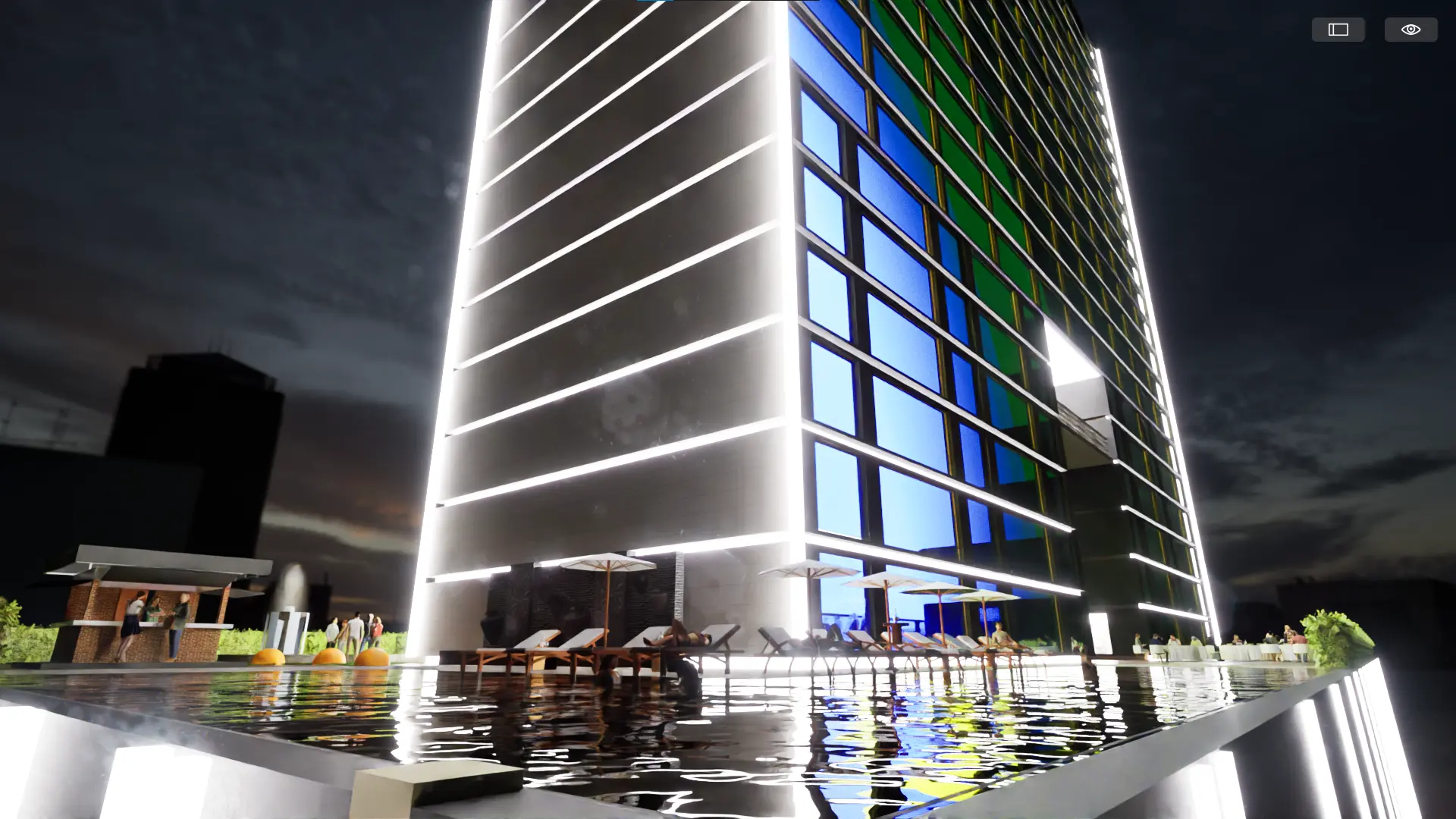
I spent my high school years in Doha. Between arriving and leaving I watched a skyline appear, seven World Cup stadiums go up from nothing, and The Pearl rise on ground reclaimed from the Gulf. Living inside a construction boom taught me that infrastructure doesn’t simply appear, it gets decided, financed, and delivered by people, and I wanted to be one of them.

04

Austin, Texas

Now

Home, with the industry in view

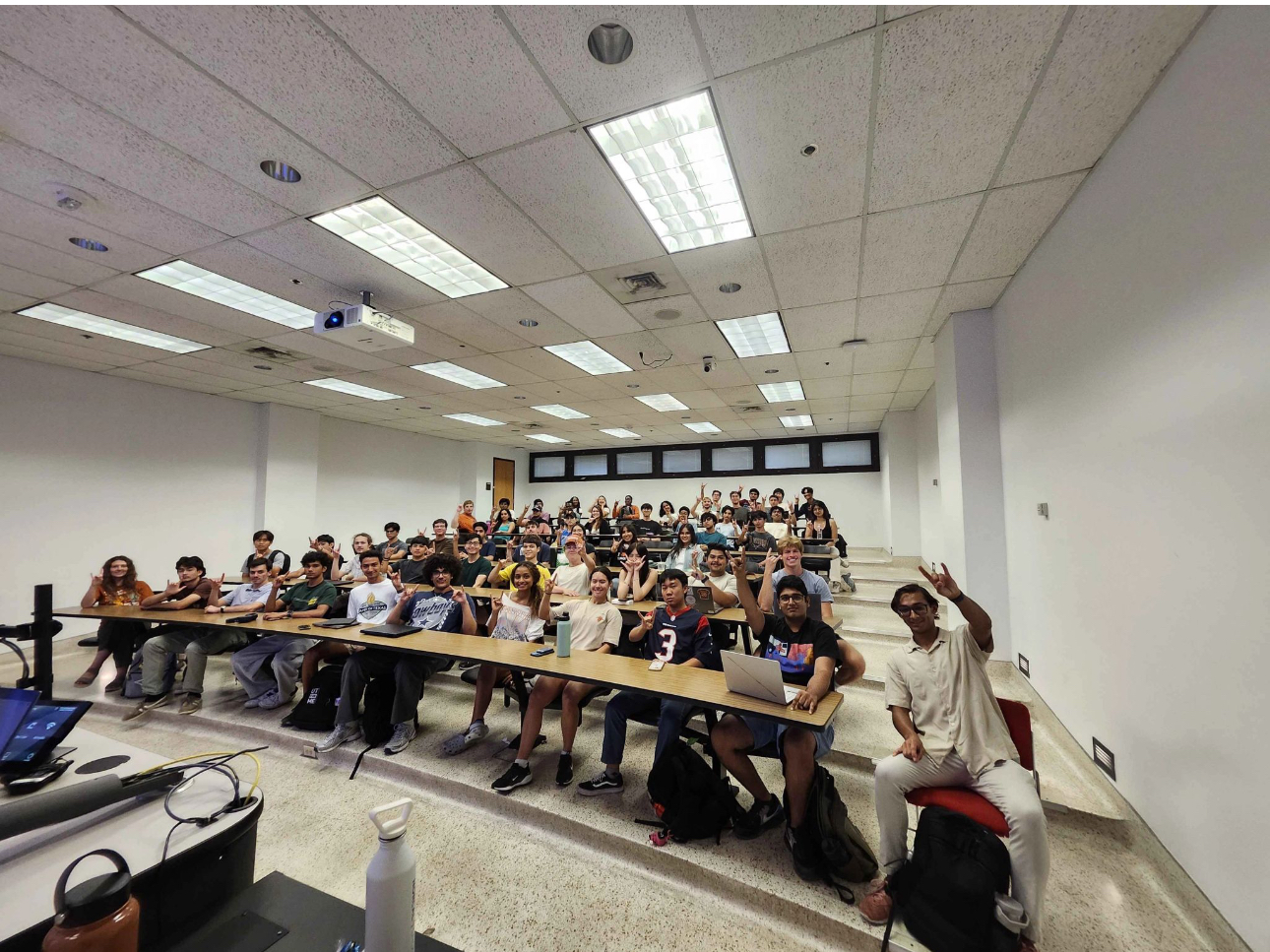
I came home to study civil engineering at UT Austin, but the side that pulled me in was the client side: scoping the work, selling it, and being accountable for it. Within a year I had founded a student consultancy and joined Zornberg’s geotechnical lab. Since then it’s been interdisciplinary teams that outlast me, projects across two continents, and tools built because nothing off the shelf did the job. I’m not at that table anymore. I built one of my own and put a hundred people around it.

Nº 02Impact

The numbers behind the story

Real clients, real budgets, real teams. Every figure here came from a project with a client on the other end of it.

10+

Clients served

Boards, agencies, labs, and residential clients across four industries

$210M

Project scope directed, scoped, or master-planned

$185M master planning with Regis Energy, $25M scoped through the organization I founded

100+

Students engaged

Multi-disciplinary teams across five universities

3+

Sponsored research projects

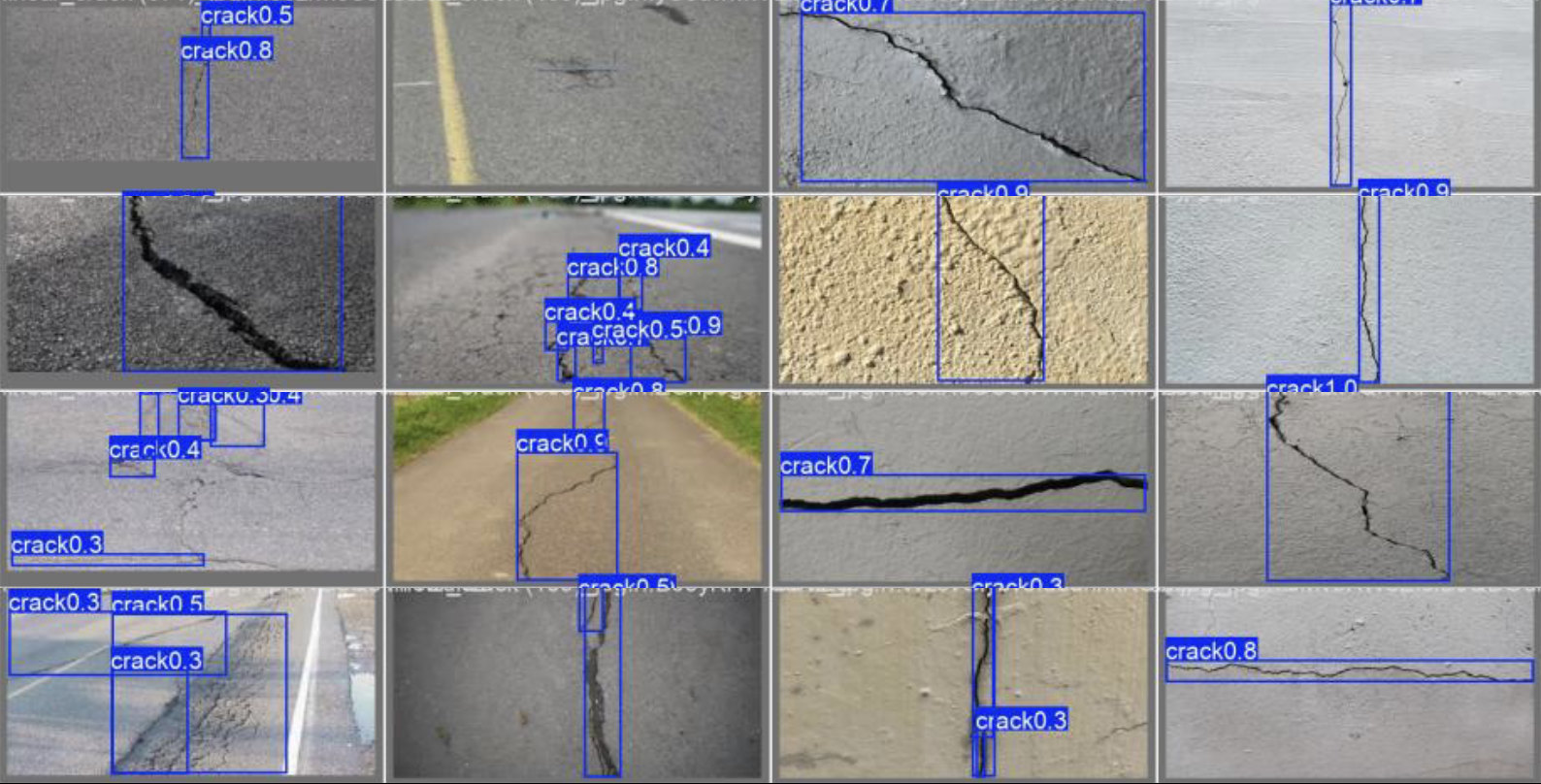
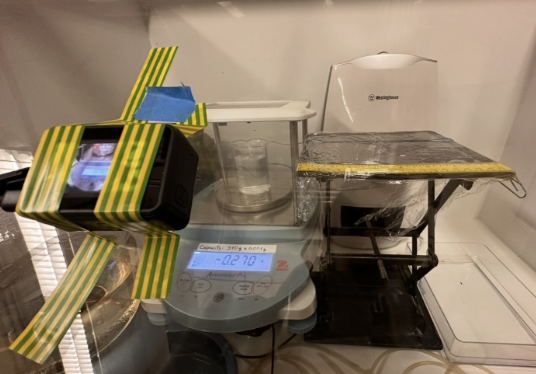
Geosynthetics, UAV imaging, and national grid modeling

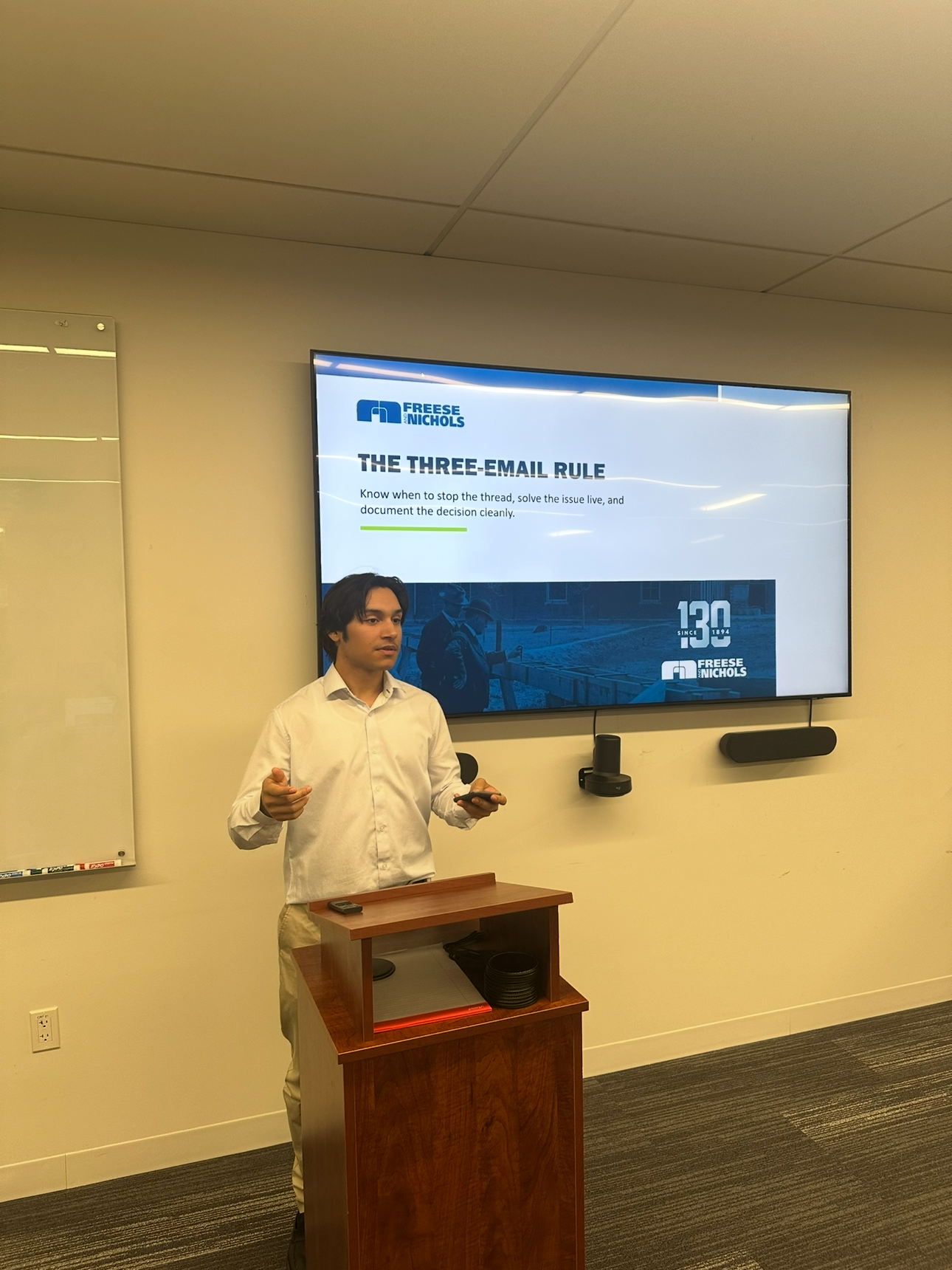
Freese & NicholsRegis EnergyICELIS GlobalUT AustinZornberg LabUniversity of IbadanUN Forum on Business and Human Rights (Nov 2026)TCEQASCESustainable Building InitiativeTexas A&MRicePurdueImperial College LondonFreese & NicholsRegis EnergyICELIS GlobalUT AustinZornberg LabUniversity of IbadanUN Forum on Business and Human Rights (Nov 2026)TCEQASCESustainable Building InitiativeTexas A&MRicePurdueImperial College London
Nº 03The work

Eleven projects, told properly.

What I built, who it was for, and what changed because of it. Open any study for the full story. Three of them ship with the actual tools, and the three marked Key project are the ones I would open first.

01Persistent UAS for Gulf conditionsSustainable Building Initiative · Program director · July 2026 – presentTeam leadershipResearch

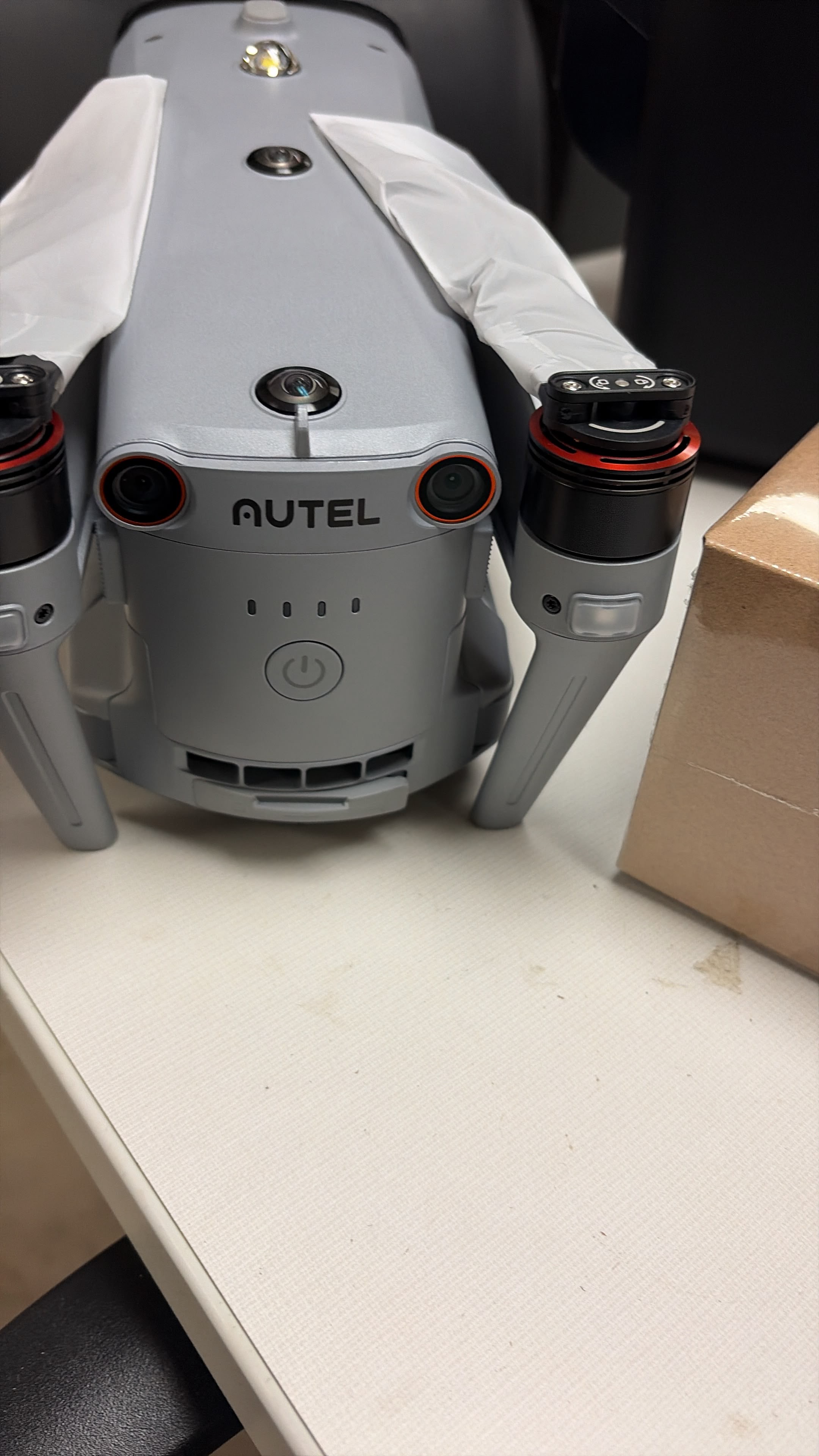
Project SIMOOM: an inspection drone that keeps flying at 50–60 °C

We are building a drone for Gulf conditions: sustained 50 °C ambient heat, fine dust, and contested radio where the control link is jammed. Existing platforms are adapted to the region; this one is designed for it. It is for clients in the Middle East who need routine inspection of pipelines, canals, power lines and solar plants to continue through summer, on schedule.

Three things break an ordinary drone here. Heat: we wrap the battery and flight computer in a phase-change jacket, duct air over it, and build the shell to carry heat out rather than hold it. Dust: motors are sealed and the electronics are potted. Jamming: the aircraft carries its whole mission on board, keeps flying it when the link drops, and finds its own way back to the dock.

Concept model · visual only, not the production airframe

50–60 °C

Phase 3 ambient target

3

Temperature gates

12

Undergraduate team

2–3 kg

Phase 1 airframe

Materials

  • Airframecarbon fibre, four brushless motors
  • Thermalphase-change jacket, ducted fan, pack sensors
  • Commsfrequency-agile link, telemetry radio, Remote ID
  • AutonomyArduPilot controller, Jetson onboard vision
  • Payloadstereo depth camera, thermal camera
  • Groundlaptop station, charging dock

How the PCM wraps the core

Phase 1 · Today’s 40 °C standard

6S3P PACK · JETSON · PCM JACKETComposite shellHuntsman epoxy · MIRALON heat spreaderInsulation + ducted airflowPassive ducting, fan on standbyEncapsulated PCM jacketMelt point ~43 °C, in potting compoundBattery + computePer-cell sensing BMSPACK TEMPERATURE · 25-MIN FLIGHT · 40 °C AMBIENTcell damage 60 °CPCM melt 43 °C0 min25 minwith PCMbare pack

Pack now40 °CAmbient40 °C

  • Single PCM jacket, ~42–45 °C melt point, sized to the flight-duration heat load
  • Eight thermistors on an ESP32 logger map cell, ESC and compute temperatures
  • 2–3 kg composite airframe on Huntsman epoxy, assembled at Texas Inventionworks
Nº 04The takeaway

What I bring to a consulting team

I grew up moving with this industry and came back to Texas to build things here. In two years that has materialized as an organization that outlasts my involvement in it, teams at five universities, and projects with real clients, real budgets, and real deadlines.

What I’m good at is the part between the engineering and the client: taking a problem that arrives without shape and giving it one, building the analysis that settles it, leading teams across disciplines, and telling a client what that analysis actually supports rather than what they hoped it would. My research publishes its own failures. My projects name the constraint that’s binding. That’s the habit I’d bring to your firm.

I turn technical questions into decisions a team can act on, and I want to do that in the industry I grew up in.

  • 01Teams built and kept: five universities, 90+ members
  • 02Delivered under constraint: $800K shipped, $185M scoped
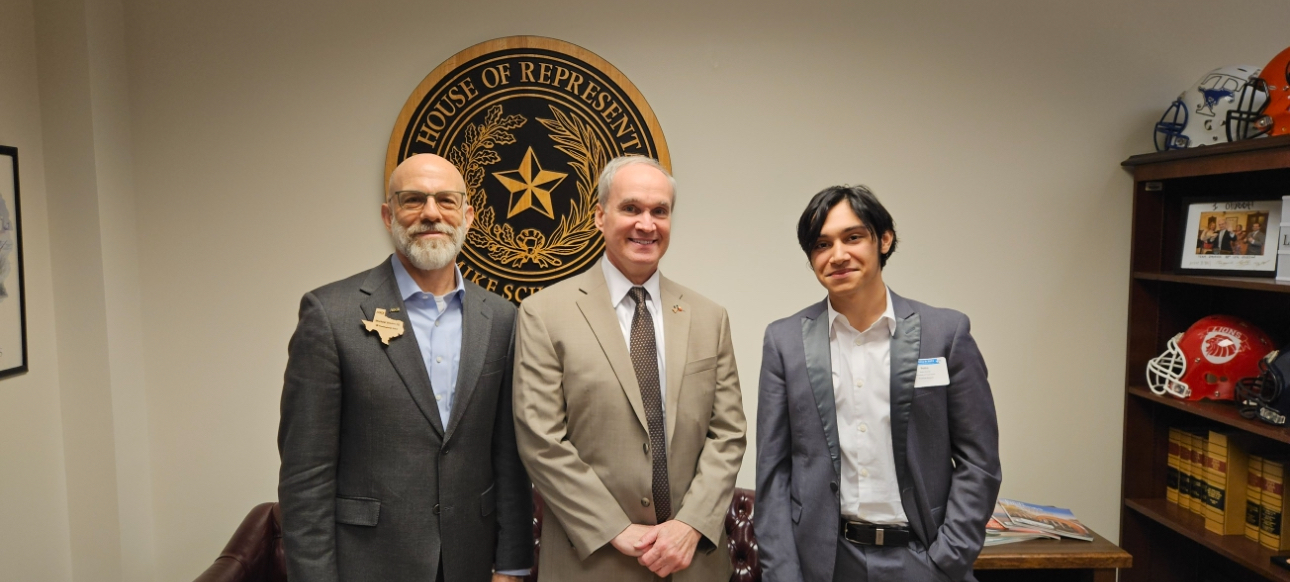
  • 03Client-facing since 18: scoped and sold work to public agency boards
  • 04I state what the analysis supports, and what it doesn’t
Nº 05Contact

Let’s talk.

If any of this maps to a problem you’re working on, I’d like to hear about it.

Based in
Austin, TX