Civil engineering · UT Austin · Consulting & risk management

Born in Humble.Raised in Borneo.Schooled in Qatar.Building in Austin.

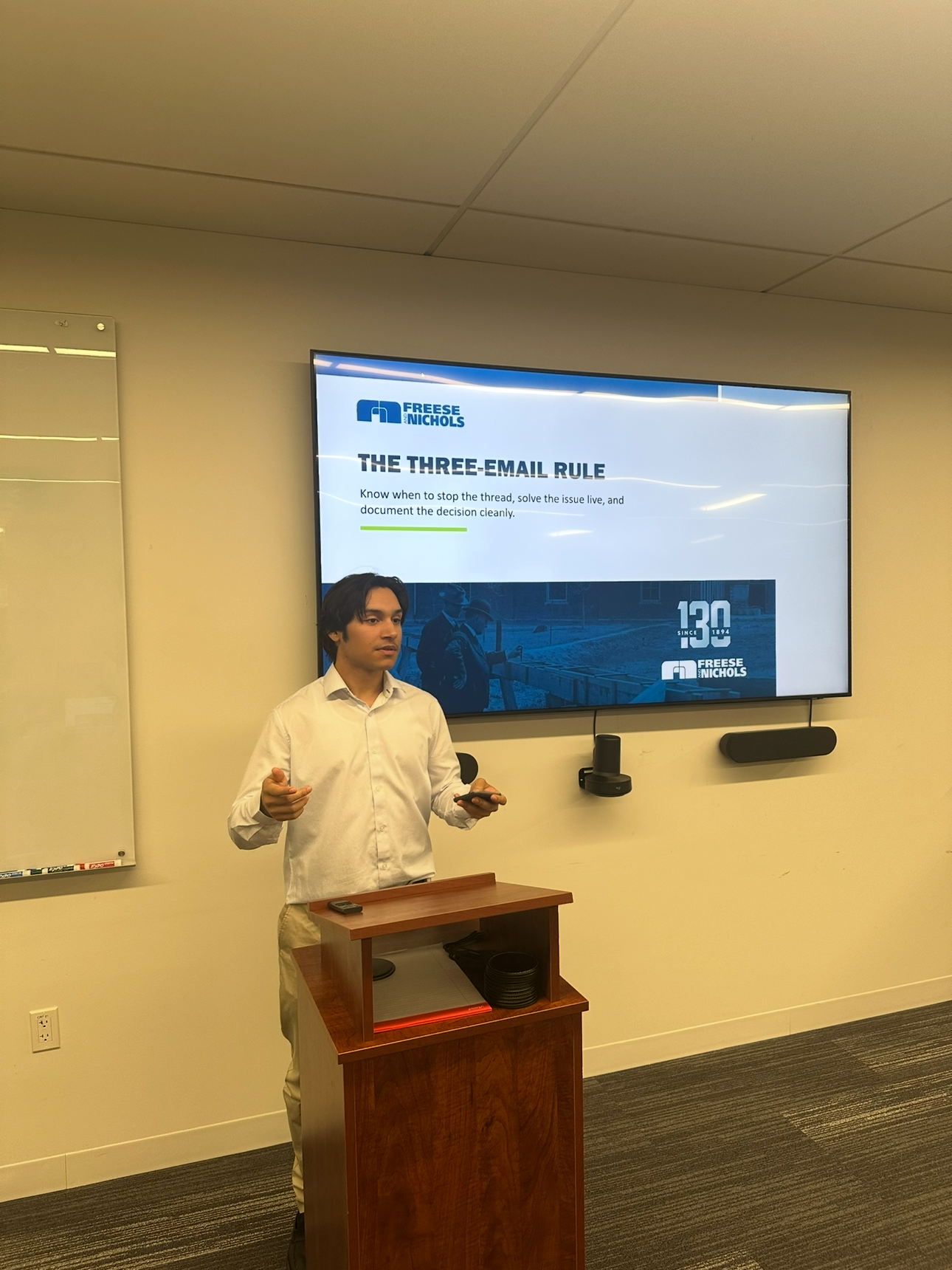
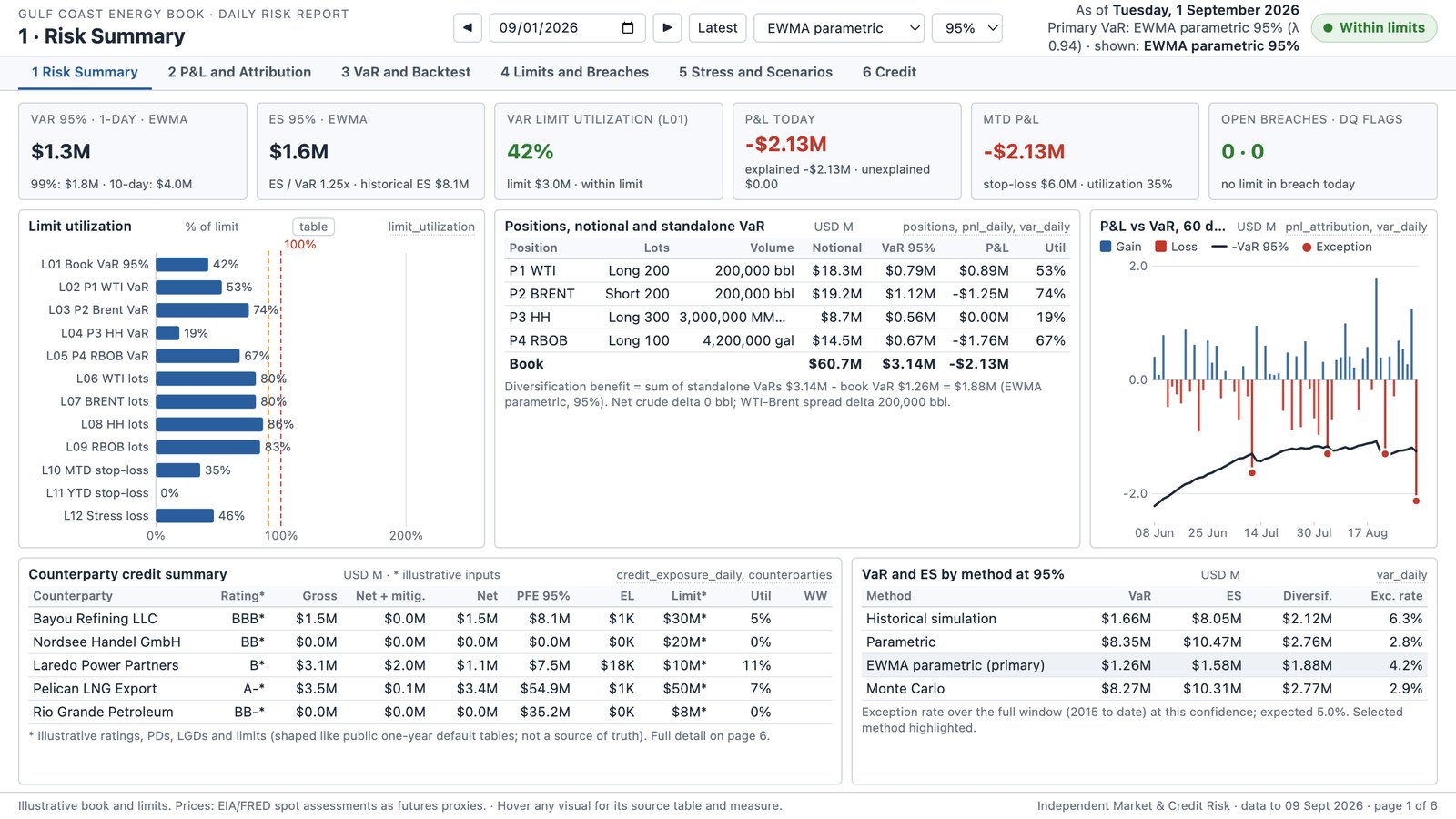
I’m Pedro Guzman, a civil engineering student at UT Austin looking for consulting work in energy, infrastructure and risk. I grew up inside that industry, in the expatriate compounds where it operates, and for the last two years I’ve been doing the work rather than waiting for it: building teams, running risk models and grid simulations, planning sites, and bringing in the clients who pay for them.

I’m Pedro Guzman, a civil engineering student at UT Austin looking for consulting work in energy, infrastructure and risk. For the last two years I’ve been doing the work rather than waiting for it: building teams, running risk models and grid simulations, planning sites, and bringing in the clients who pay for them.

ScrollAustin, TX · Civil Engineering, UT Austin
Nº 01The journey

Four places. One industry.

Most people meet this industry through a job posting. I met it through neighbors, classmates, and dinner guests, in four countries where it was the reason anyone was there at all.

01

Humble, Texas

The start

The town an oil company took its name from

I was born in Humble, Texas, the town Humble Oil took its name from before it grew into Exxon. I was gone before I could remember it, but the pattern was set: wherever my family went, energy and infrastructure had gotten there first.

02

Borneo

Childhood

Raised on an island of engineers

I grew up in Panaga, the Brunei Shell housing area on the coast of Borneo. House F23. Compounds mix everyone together: drillers, geologists, project managers, and their families from every part of the world, living a few minutes from the offices they worked in. I met the industry at the dinner table years before I studied it, and the people at that table were the ones running it.

03

Doha, Qatar

High school

High school in a city being built

I spent my high school years in Doha. Between arriving and leaving I watched a skyline appear, seven World Cup stadiums go up from nothing, and The Pearl rise on ground reclaimed from the Gulf. Living inside a construction boom taught me that infrastructure doesn’t simply appear, it gets decided, financed, and delivered by people, and I wanted to be one of them.

04

Austin, Texas

Now

Home, with the industry in view

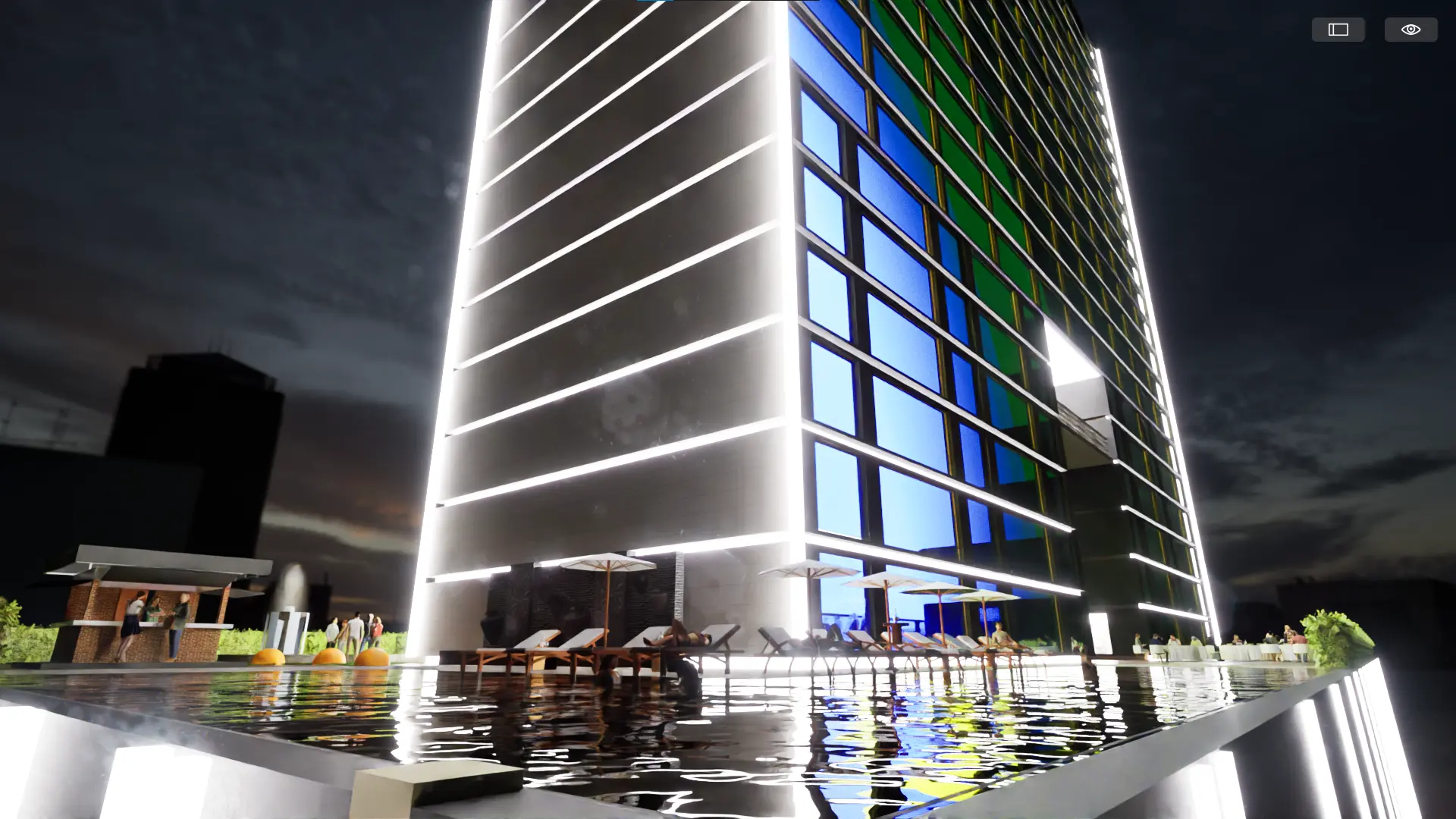
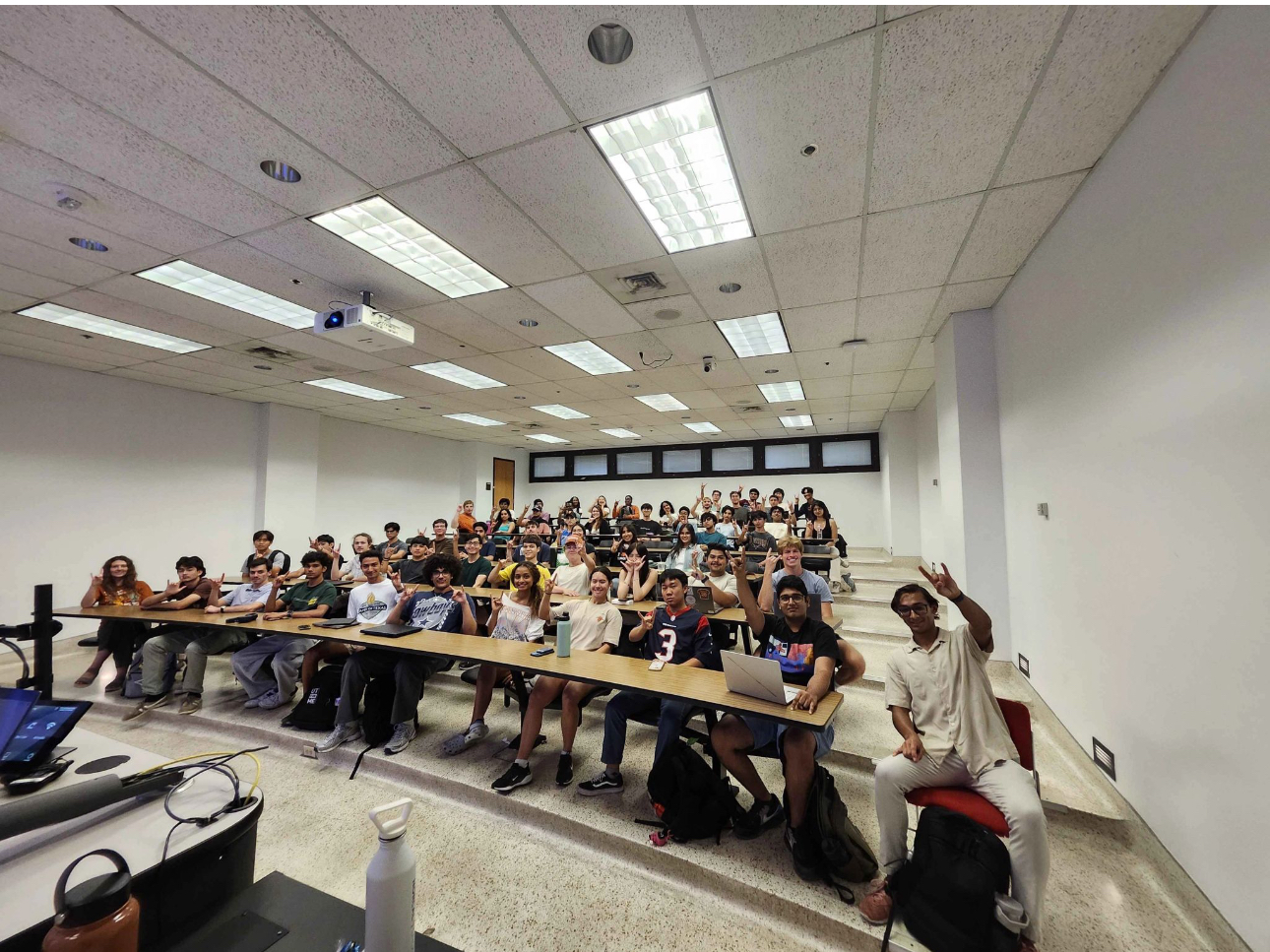
I came home to study civil engineering at UT Austin, but the side that pulled me in was the client side: scoping the work, selling it, and being accountable for it. Within a year I had founded a student consultancy and joined Zornberg’s geotechnical lab. Since then it’s been interdisciplinary teams that outlast me, projects across two continents, and tools built because nothing off the shelf did the job. I’m not at that table anymore. I built one of my own and put a hundred people around it.

Nº 02Impact

The numbers behind the story

Real clients, real budgets, real teams. Every figure here came from a project with a client on the other end of it.

10+

Clients served

Boards, agencies, labs, and residential clients across four industries

$210M

Project scope directed, scoped, or master-planned

$185M master planning with Regis Energy, $25M scoped through the organization I founded

100+

Students engaged

Multi-disciplinary teams across five universities

3+

Sponsored research projects

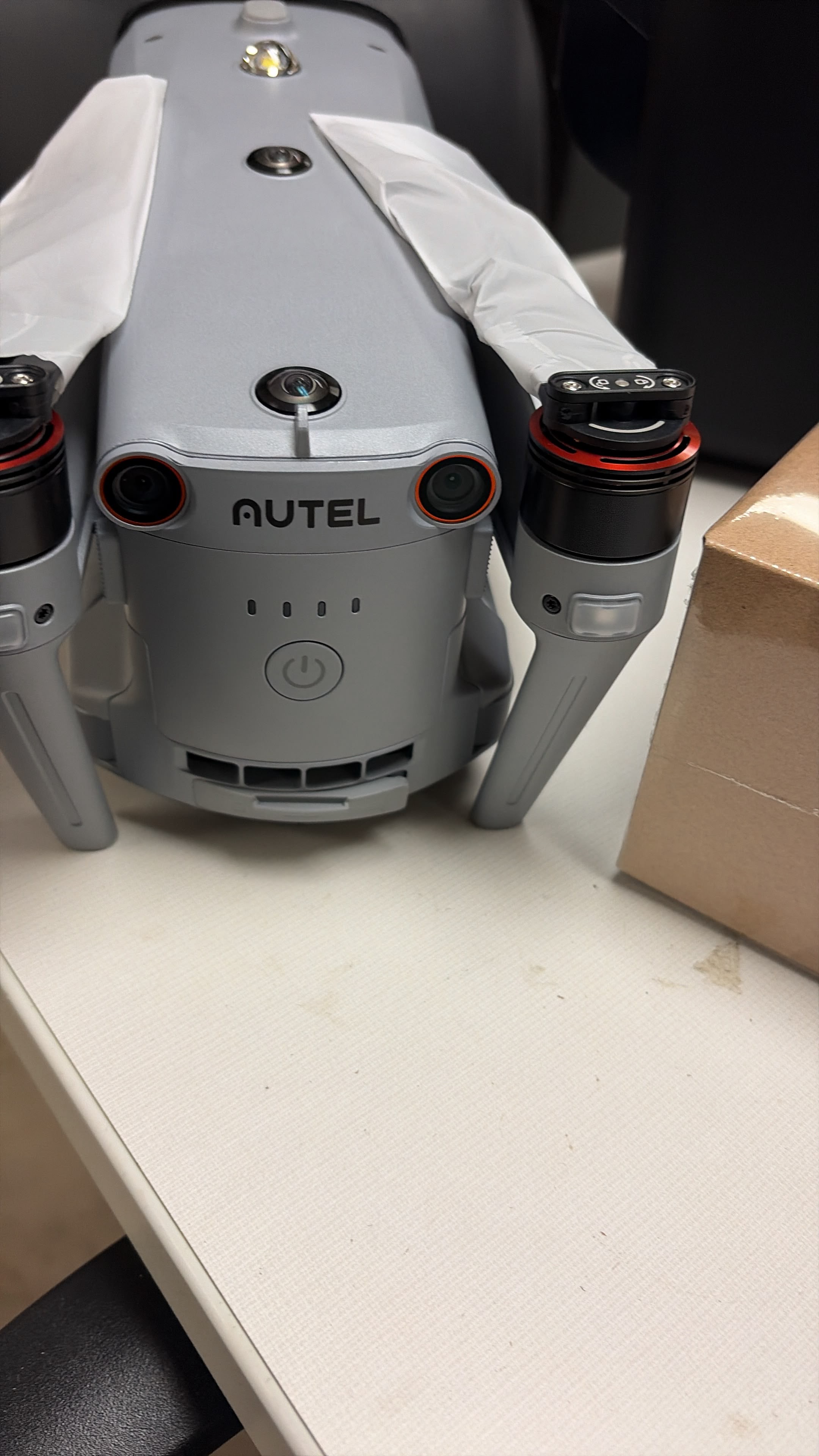
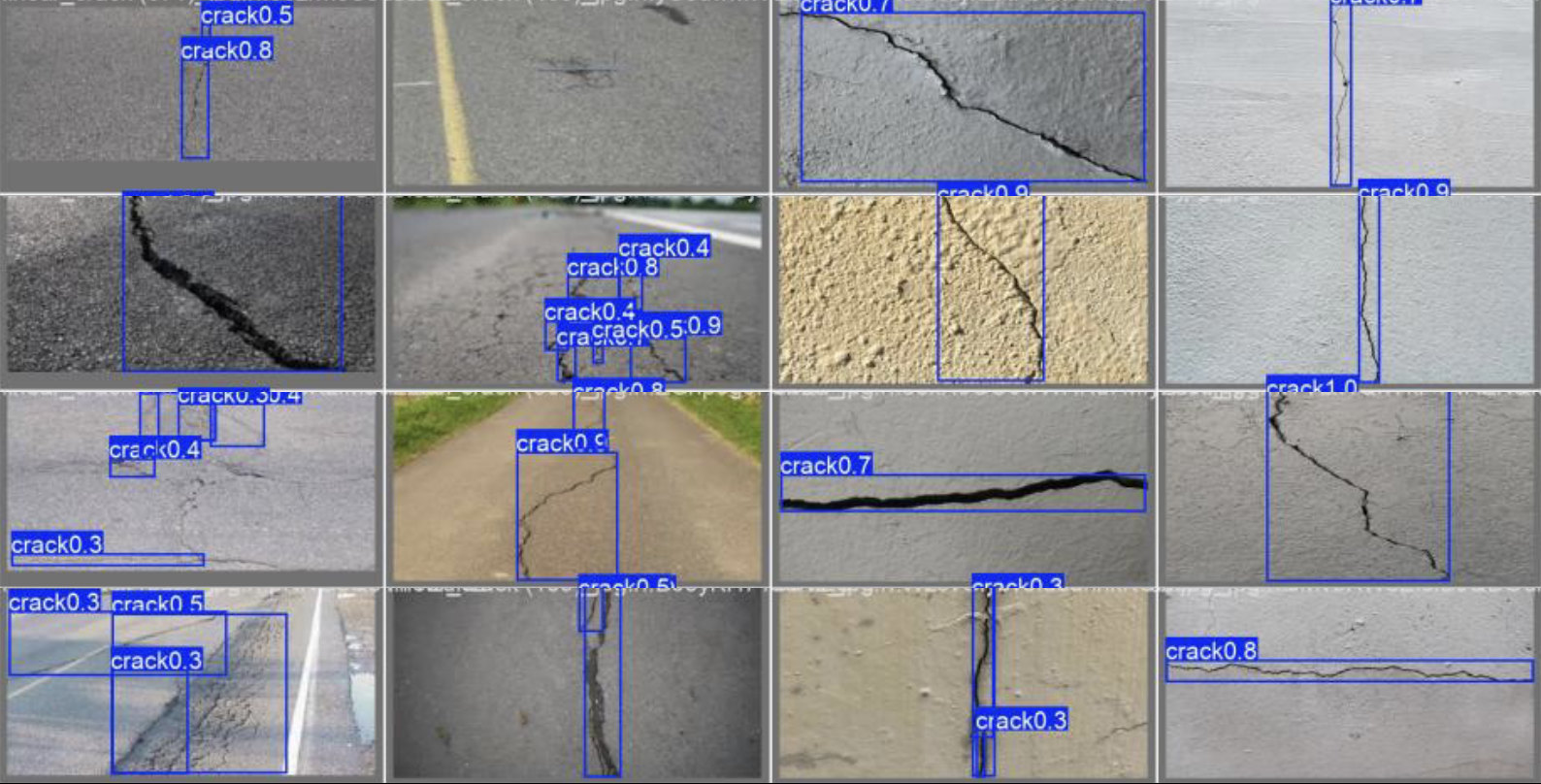
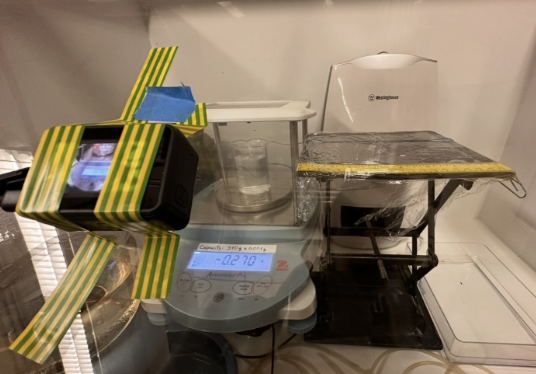
Geosynthetics, UAV imaging, and national grid modeling

Freese & NicholsRegis EnergyICELIS GlobalUT AustinZornberg LabUniversity of IbadanUN Forum on Business and Human Rights (Nov 2026)TCEQASCESustainable Building InitiativeTexas A&MRicePurdueImperial College LondonFreese & NicholsRegis EnergyICELIS GlobalUT AustinZornberg LabUniversity of IbadanUN Forum on Business and Human Rights (Nov 2026)TCEQASCESustainable Building InitiativeTexas A&MRicePurdueImperial College London
Nº 03The work

Eleven projects, told properly.

What I built, who it was for, and what changed because of it. Open any study for the full story. Three of them ship with the actual tools, and the three marked Key project are the ones I would open first.

08ESG software & systemsICELIS Global · ESG & systems intern, then associate · 2025 – presentSoftwareAI & data

Clocked In, and the sustainability ledger

At ICELIS Global I designed and programmed ICELIS Clocked In, the company’s internal hour-tracking system, from the ground up. After rollout, the company reported an approximate 20% increase in productivity company-wide.

I also built the company’s ESG reporting database on Firebase, covering the Global Reporting Initiative at every level: the 3 Universal Standards, all 31 Topic Standards across the economic, environmental and social series, and all four published Sector Standards: oil and gas (GRI 11), coal (GRI 12), agriculture, aquaculture and fishing (GRI 13), and mining (GRI 14). Each one is characterized by what it requires, how it gets reported, and the parameters that determine whether it applies. On top of that I wrote the logic that filters the hierarchy and returns the standards relevant to a given organization, which is what the ESG software checks against. I also programmed key modules of the tool itself.

I built an AI tool that cross-checked every reference across the company’s environmental master folder. It found 8 broken references pointing to the wrong sections of critical documents, plus links that failed outright, all of which would have been serious problems in an ISO audit. I fixed them, rebuilt the folder structure, and handed it back with the internal linking correct throughout.

The relationship outlasted the internship, and in August 2025 I was promoted to associate. In that role I represented ICELIS at the 36th Annual Produced Water Society Conference in Houston in February 2026, where the firm exhibited as a sponsor: I led the UT student delegation, ran the exhibition stand, coordinated event media, and went on The Oilfield Leader podcast on behalf of the firm. I opened business development conversations with senior representatives at Xylem and Freezer Engineering and handed those relationships to the leadership team, and several are still live. I also refer candidates from UT Austin into the firm’s internship program.

+20%

Productivity, company-reported

38

GRI standards encoded

8

Broken references found

Clocked In · rollout effect120100Clocked In ships+20%PRODUCTIVITY, INDEXED · 12 MONTHS

Company-reported productivity, indexed to the pre-rollout baseline. ICELIS reported the gain company-wide following rollout.

Nº 04The takeaway

What I bring to a consulting team

I grew up moving with this industry and came back to Texas to build things here. In two years that has materialized as an organization that outlasts my involvement in it, teams at five universities, and projects with real clients, real budgets, and real deadlines.

What I’m good at is the part between the engineering and the client: taking a problem that arrives without shape and giving it one, building the analysis that settles it, leading teams across disciplines, and telling a client what that analysis actually supports rather than what they hoped it would. My research publishes its own failures. My projects name the constraint that’s binding. That’s the habit I’d bring to your firm.

I turn technical questions into decisions a team can act on, and I want to do that in the industry I grew up in.

  • 01Teams built and kept: five universities, 90+ members
  • 02Delivered under constraint: $800K shipped, $185M scoped
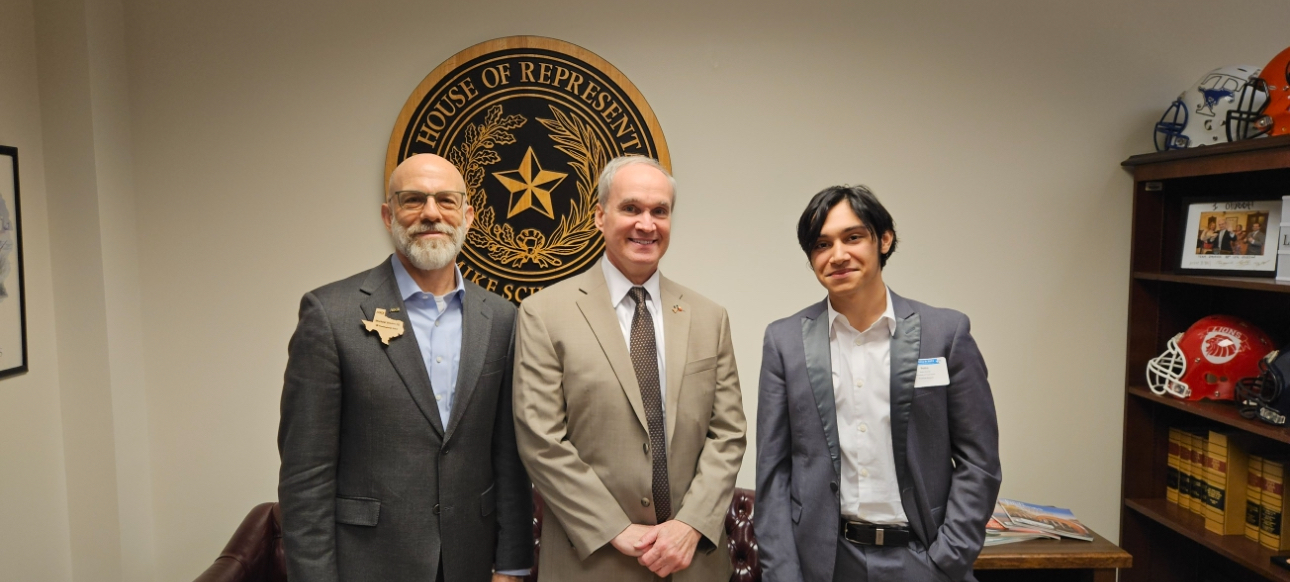
  • 03Client-facing since 18: scoped and sold work to public agency boards
  • 04I state what the analysis supports, and what it doesn’t
Nº 05Contact

Let’s talk.

If any of this maps to a problem you’re working on, I’d like to hear about it.

Based in
Austin, TX