I founded SBI to close the gap between studying construction and doing it. We take no fee. The cut a firm would charge, we ask the client to reinvest into the sustainable technology our R&D teams are working on, so every project we deliver also funds the next thing we’re trying to prove.
Clients get the full arc: drawings and specs, sustainability assessment, construction management, and consulting that runs from first conversation through final handoff. Work moves top-down through the organization: board, legal and tech, architecture, engineering and business, client review, then construction. Nothing reaches construction until licensed engineers have verified what we produced. Occasionally we build the thing ourselves, usually when the point is getting people’s hands on the equipment.
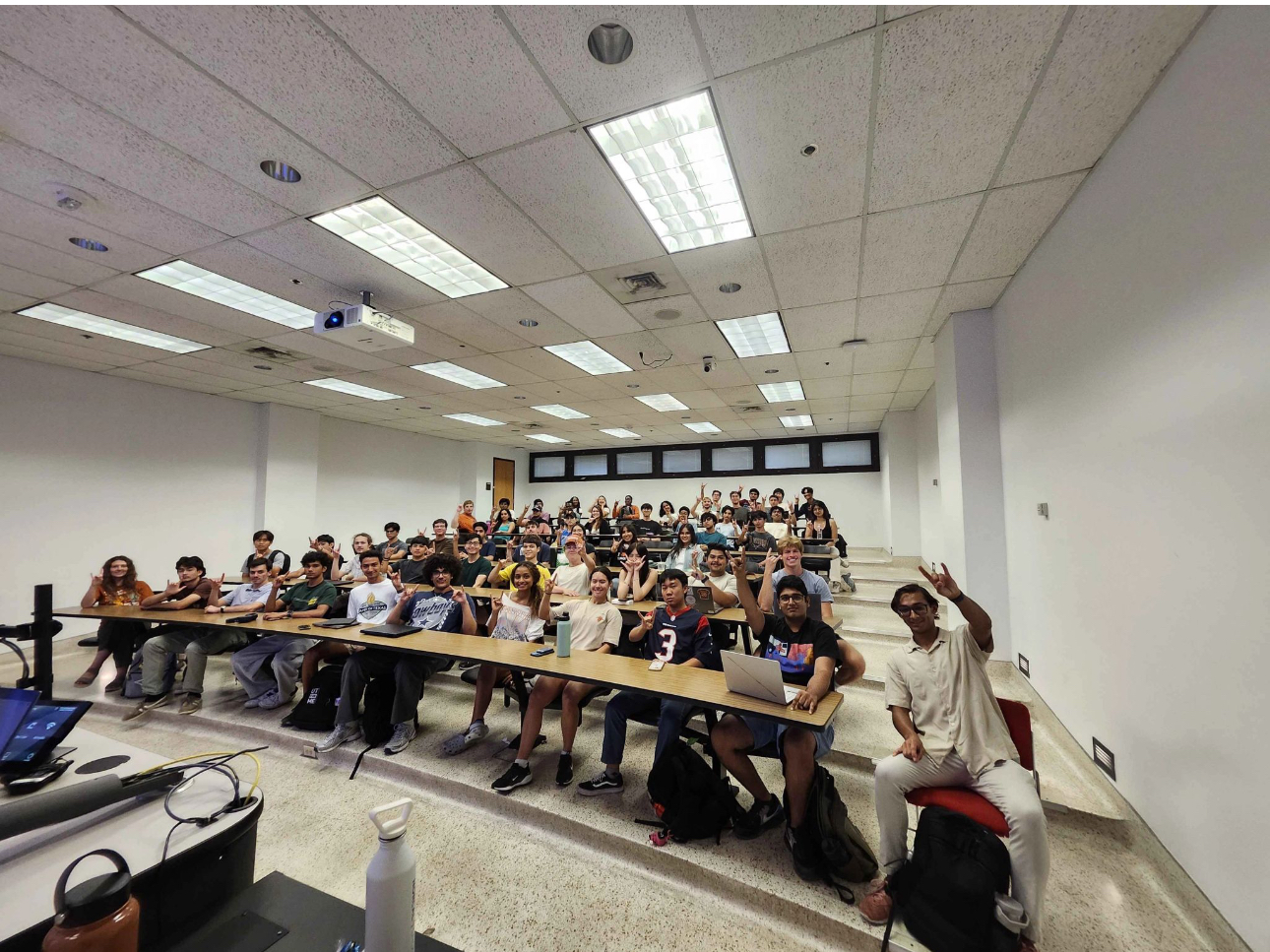
The first year nearly ended it. For five months I was selling a vision with nothing behind it, and once projects started landing, members left under the weight of coursework and deliverables hitting at once. What I learned there is that people don’t commit to a description of where the work goes. They commit once they can see it. We shipped two projects, members realized this was real, and the marketing took care of itself.
The organization has since delivered $800,000 in sustainable construction, holds $25M of client work scoped directly with the people paying for it, and was a UT Swing Out Award finalist.
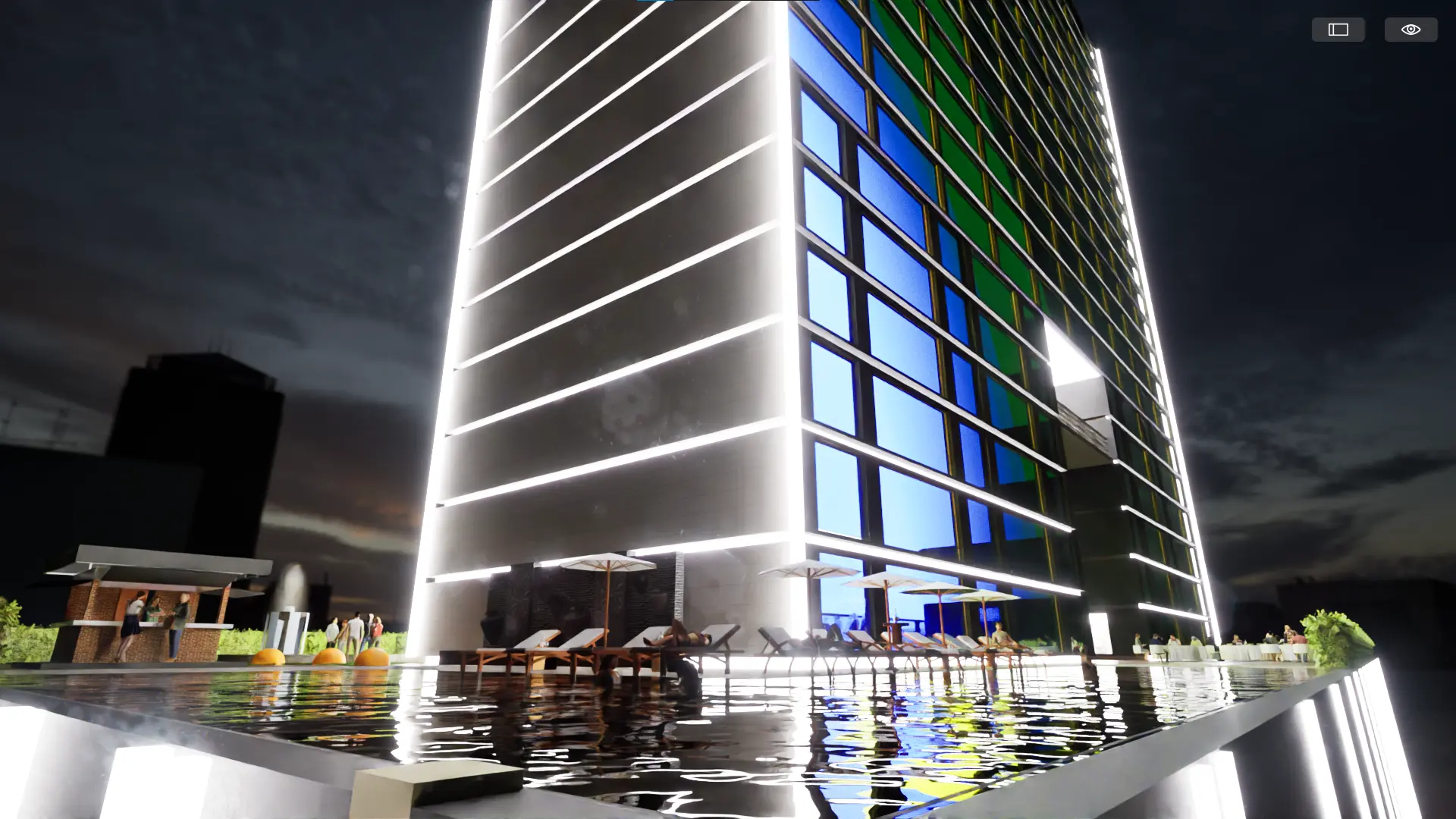
Six projects: a ranch complex, a sustainable family home, a retirement estate, a pueblo home in Mexico, a 23-floor high-rise, and a geosynthetic road we designed and then built a section of. The first two clients were family, which is how the portfolio started. We grade every project against LEED criteria rather than our own judgment. Where the budget won’t reach a LEED level, we work the carbon intensity down another way, whether that’s efficiency, materials, or on-site generation, depending on what the project can carry.
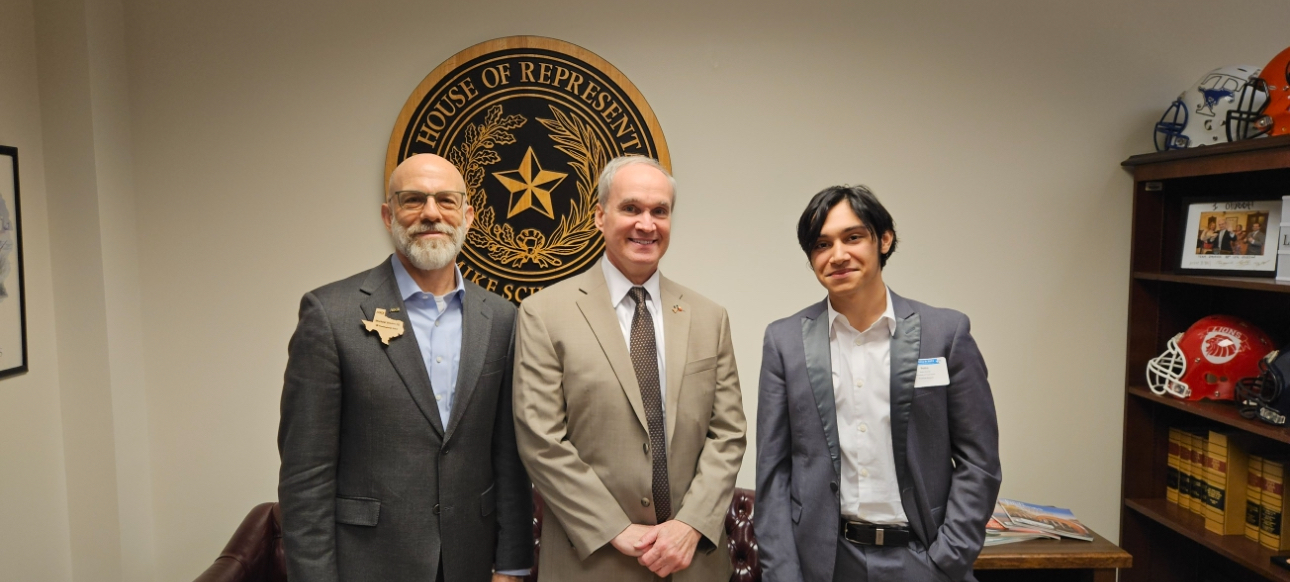
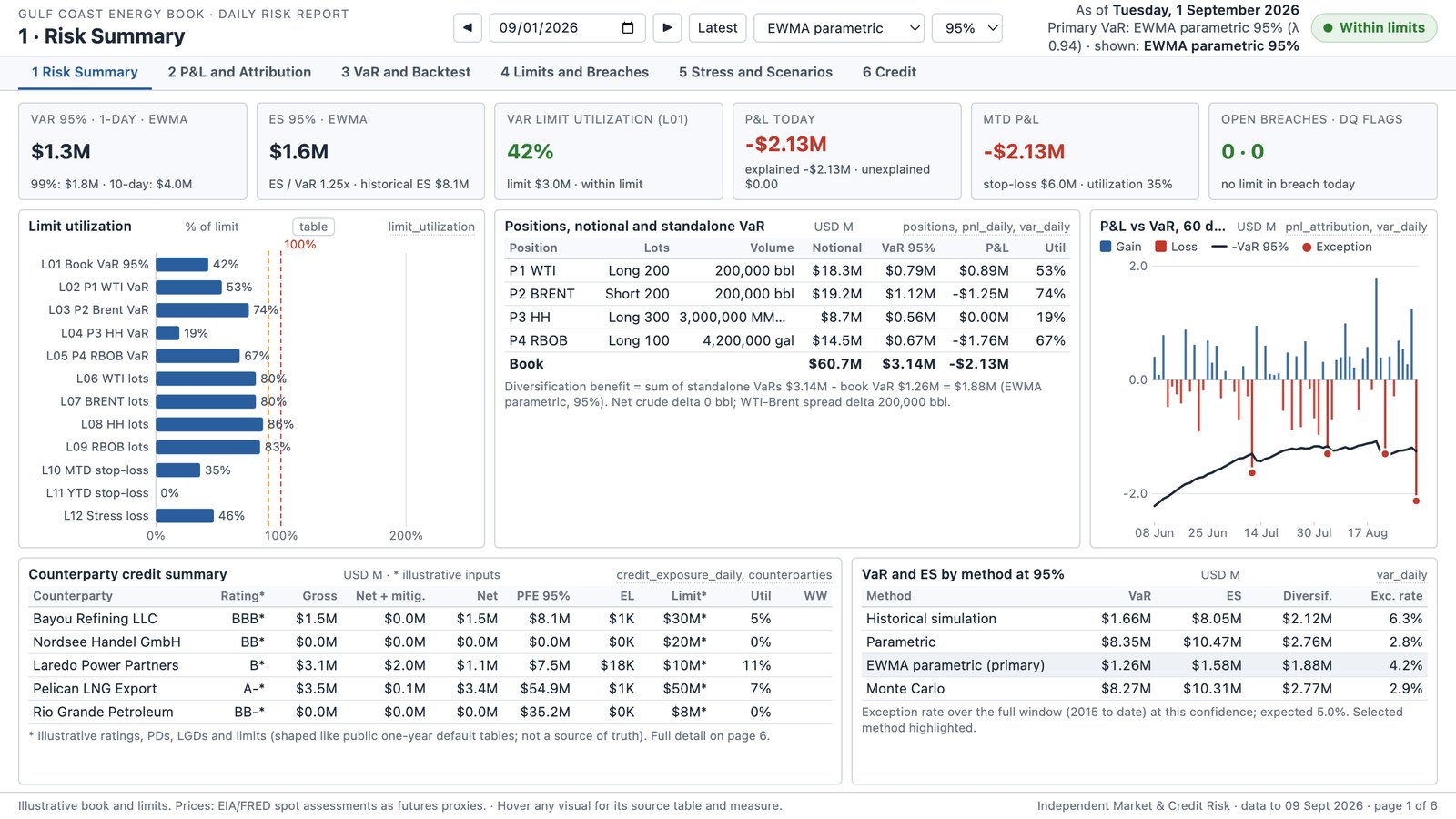
Outside UT, SBI runs as specialist departments rather than full chapters. Texas A&M does CFD and Rice does business in state; Imperial College London does composite research, carbon fiber for our development projects, and Purdue does simulation and software. Five to twelve members each. I built that network from earlier connections and from clients we kept talking to after handoff, and one of those relationships became the Regis Energy data-center project, where they asked me to staff a team from SBI and we ran it as an internship under their name.